Rescue
SASCU’s team of social workers hits the streets of Kampala and surrounding towns every Tuesday and Thursday, meeting with hundreds of children who sleep in gutters, bathe in polluted streams, and beg or work on the street for food.
The goal is to connect with homeless children and let them know that SASCU is a viable—and much improved—alternative to living on the streets. One way our social workers meet homeless children is through street and community outreach, along with their connections with shopkeepers, taxi and bus drivers, and older homeless individuals known as street uncles: “informants” who update them when a child has just arrived on the streets. The sooner we can identify and talk to a child who recently arrived, the greater the chance that child can be rescued from the physical and emotional suffering of street life and returned to a normal childhood.
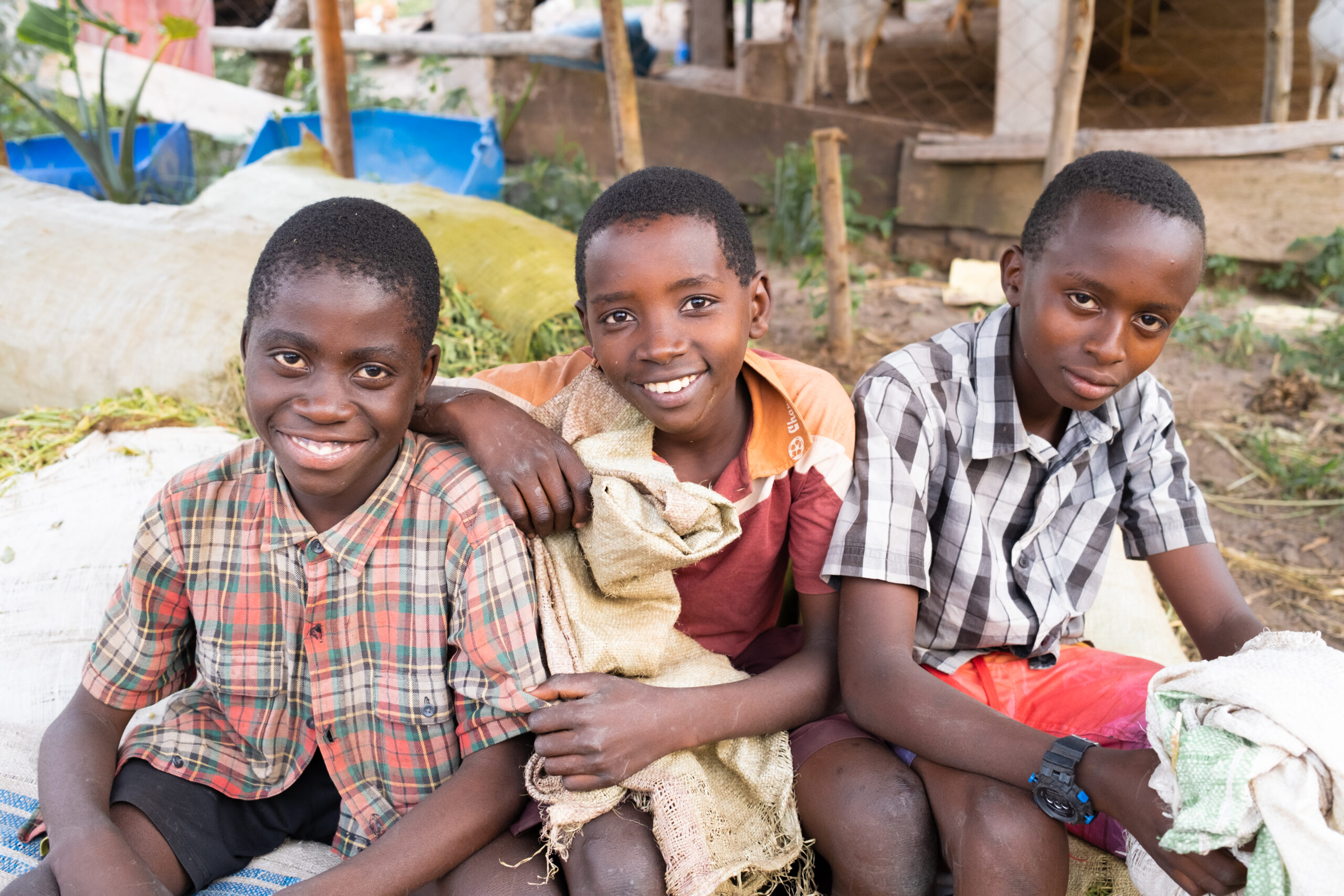
A major part of a street social worker’s job is to build trust and create an understanding environment with the children, many of whom come from places where adult figures have abused their trust and hurt them. They do this by playing games, telling stories, and taking the children to places where they can wash their clothes and themselves. Additionally, because SASCU has been working with street children for years, the social workers have built a lot of credibility in these communities. The children hear from others that they are friends, which makes it easier to rescue homeless children.
For young women survivors of trafficking and child marriages, SASCU’s social workers lead the rescue and intake process each week, working closely with community protection structures and relevant referral partners. Our focus is on immediate safety and stabilization, completing structured protection assessments, providing psychological first aid and early-stage MHPSS, and starting case management with personalized support plans addressing protection, health, and social needs. Rescue is therefore not just about removing them from harm but also about beginning a structured recovery.
Rehabilitation
SASCU operates an approved licensed Children’s Home at Providence Farm in Luwero District, offering a safe, nurturing, and loving environment. The home provides nutritious meals, medical care, counseling, and spiritual discipleship to rescued homeless children. Trained caregivers ensure each child receives love, attention, and essential life skills, along with the support necessary to heal and rebuild their lives.
Many children arrive malnourished or in poor health. Regular balanced meals help them regain strength, while a full-time nurse provides treatment for common illnesses and injuries, including malaria, infections, and other health concerns. Weekly health education sessions promote hygiene, nutrition, and overall wellbeing.
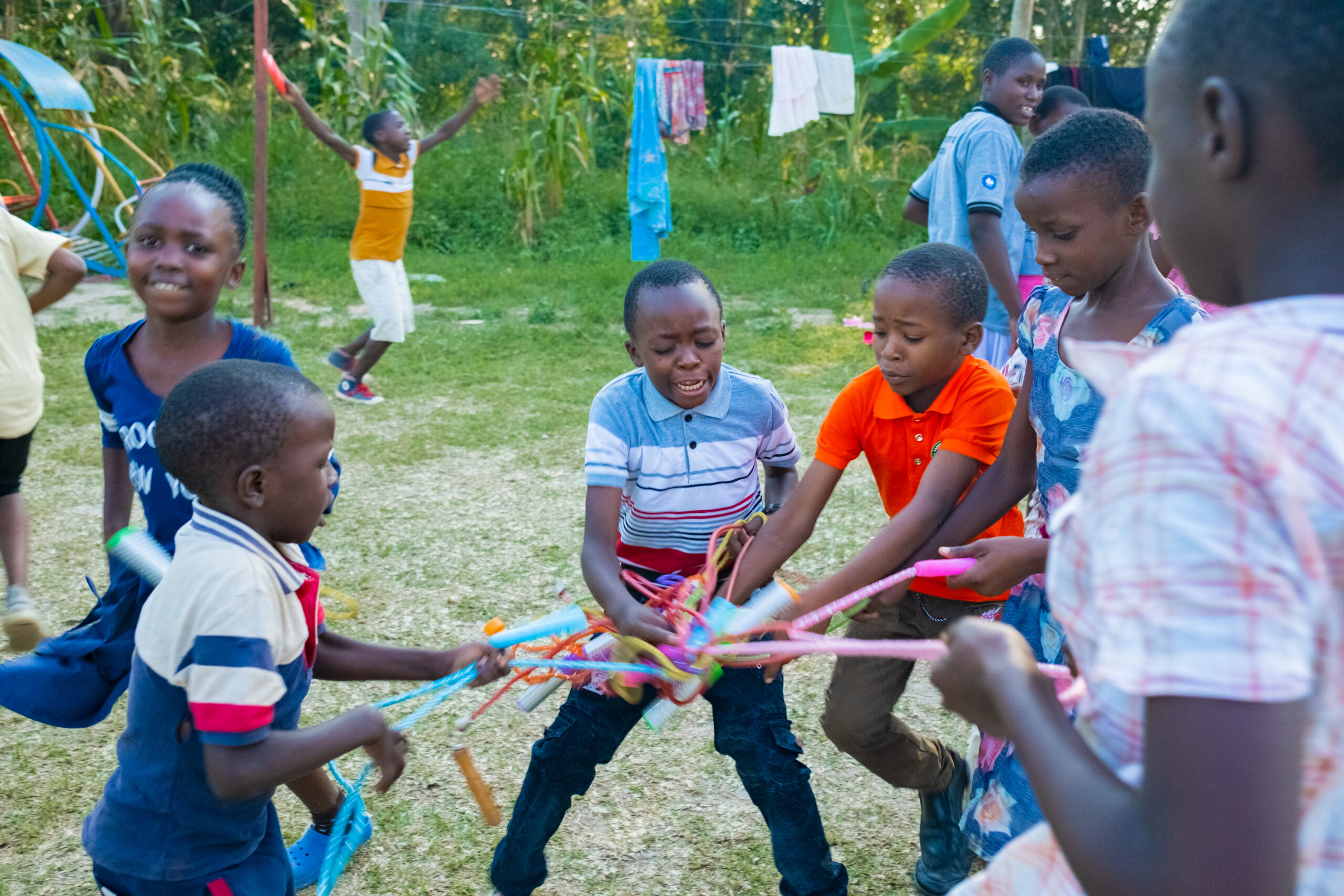
Recreational activities are an essential part of healing. Play, sports, and creative expression help children process trauma and rebuild positive social skills. During this period, home tracing is conducted to prepare for safe reunification. Rehabilitation typically lasts three to six months, depending on individual needs and progress in family tracing. Within the home, a strong sense of family is fostered, with caregivers creating a stable and welcoming environment and older children supporting younger ones.
For young women survivors of trafficking and child marriages, rehabilitation follows a structured six-month pathway focused on mindset change, healing, and economic empowerment. Our social workers provide ongoing psychosocial support, case management, and mentorship while linking participants to vocational, business, and life skills training aligned to market opportunities. Through savings groups and cooperative models, survivors build financial literacy, confidence, and practical skills to pursue sustainable livelihoods.
Reintegration
We believe children thrive best in safe, loving family environments—not long-term institutional care. Reintegration is therefore a core commitment, guided by the child’s best interests and supported by strong case management.
We work to reunify children with their families or safe kinship care through careful preparation, including household assessment, mediation where necessary, and reintegration planning. After reunification, SASCU provides follow-up support to strengthen stability and reduce the risk of re-migration. Where families cannot be located or reunification is not safe, we facilitate appropriate alternative care arrangements that prioritize protection, belonging, and long-term wellbeing.
For young women survivors, reintegration may involve supported return to family or independent community living, depending on safety and readiness. SASCU engages caregivers, community leaders, and local protection structures to reduce stigma and strengthen safeguarding. Continued follow-up, enterprise support, and linkage to economic opportunities help ensure lasting stability, financial independence, and reduced vulnerability to re-exploitation.